A clothes dryer is one of the most convenient appliances in a modern home. It saves time, handles large amounts of laundry, and makes it possible to dry clothing regardless of the weather outside. Because dryers are used so frequently, homeowners tend to notice when something isn't working correctly.
Clothes taking longer to dry, unusually warm laundry rooms, or a dryer that seems to run continuously may appear to be appliance problems. In many cases, however, the issue can be connected to the dryer vent.
The vent is responsible for carrying warm, moist air and lint away from the dryer and outside the home. When that pathway becomes restricted, the dryer has to work harder to move air, which can affect performance and create unnecessary safety concerns.
Understanding the importance of the vent and keeping it properly maintained can help homeowners improve drying performance while protecting their property.
Why the Dryer Vent Matters
A dryer doesn't simply heat clothing. It needs to remove the moisture released from wet fabrics during the drying cycle.
As clothes tumble inside the drum, heated air passes through them and absorbs moisture. That humid air then travels through the dryer vent and exits outside.
When the vent is clear, this process can happen efficiently. When lint and debris accumulate inside the vent, airflow can become restricted. The dryer may then take longer to remove moisture, causing cycles to run for extended periods.
A restricted vent can also cause heat to accumulate within the appliance and surrounding area. This makes regular vent maintenance an important part of responsible home care.
Lint Doesn't Always Stay in the Filter
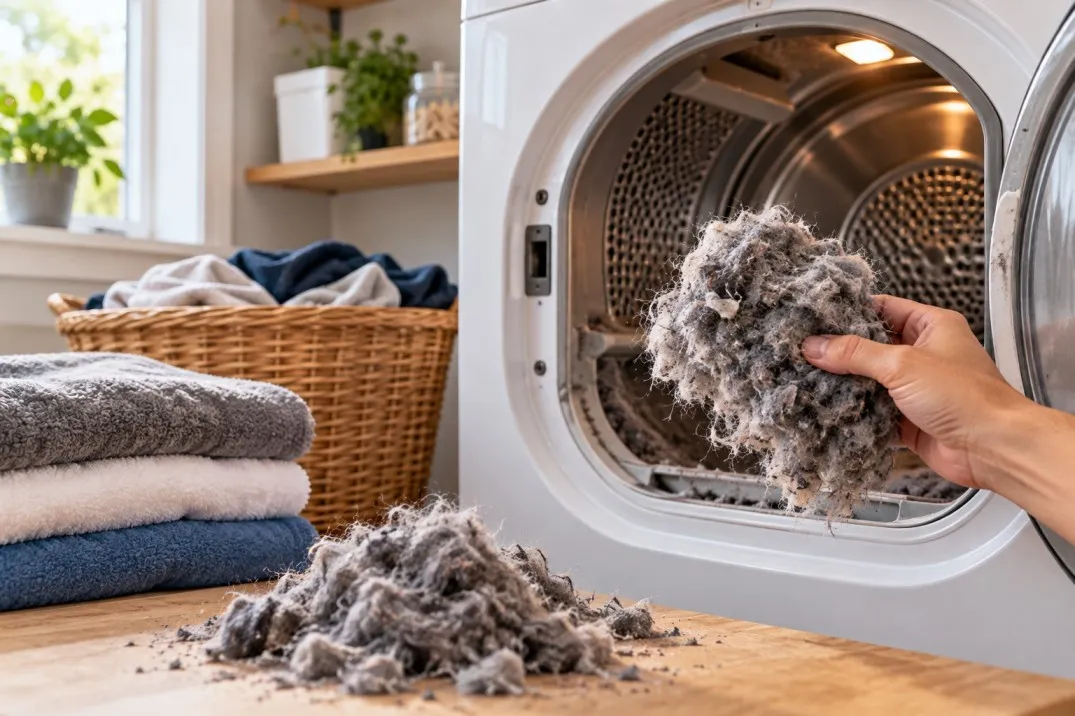
Most homeowners know they should clean the lint filter after each load. This is one of the simplest ways to maintain a dryer, but the filter doesn't capture every particle.
Small amounts of lint can pass through the filter and enter the exhaust system. Over time, those particles can accumulate inside the vent hose, ducts, bends, and exterior termination.
The longer the vent remains untreated, the more material can potentially build up.
Lint is particularly concerning because it is highly combustible. Combined with heat and restricted airflow, accumulated lint can increase the potential for a dryer-related fire.
Cleaning the lint screen is therefore important, but it shouldn't be considered the complete maintenance routine.
Signs of a Restricted Dryer Vent
A dryer often gives homeowners clues when airflow isn't working properly.
One of the most noticeable signs is clothing that takes significantly longer to dry than usual. If loads that previously required one cycle suddenly need two or three, restricted airflow may be one possible cause.
Another warning sign is excessive heat. If the laundry room feels unusually warm while the dryer is running, the appliance may not be exhausting heat efficiently.
Homeowners may also notice that the dryer feels hotter than normal or that the exhaust airflow outside seems weak.
Other signs can include:
- A musty or damp smell around the laundry area
- Excessive lint around the dryer
- An unusually long drying cycle
- The dryer shutting off unexpectedly
- A noticeable reduction in airflow from the exterior vent
One symptom alone doesn't necessarily prove that the vent is blocked, but several occurring together are a good reason to investigate.
How Restricted Airflow Affects Efficiency
A dryer with poor ventilation may require more time and energy to complete each load.
When moist air cannot escape efficiently, the dryer has to continue operating while the clothing remains damp. Longer cycles mean the appliance consumes energy for a greater amount of time.
This can contribute to higher utility costs and place additional operating demand on the dryer.
Improving airflow can help the appliance remove moisture more effectively. It may also reduce unnecessary wear associated with repeatedly running extended drying cycles.
Homeowners who want to address airflow concerns can consider dryer vent cleaning for better airflow as part of their regular appliance maintenance routine.
The Vent Hose Deserves Attention Too
The section of duct immediately behind the dryer can be particularly vulnerable to airflow problems.
Flexible vent materials may become compressed, bent, or positioned in a way that restricts the passage of air. Excessive bends can create areas where lint is more likely to collect.
The vent should be configured according to the appliance manufacturer's requirements and applicable building standards. Homeowners shouldn't make modifications simply to shorten the route without understanding the ventilation requirements.
If the vent hose appears damaged, crushed, disconnected, or excessively dirty, professional evaluation may be appropriate.
The Exterior Vent Opening Can Become Blocked
The end of the dryer vent is located outside the house, where it can be exposed to weather and debris.
Leaves, dirt, insects, and other materials can accumulate around the opening. In some homes, birds or other animals may also attempt to build nests near the vent.
A blocked exterior termination prevents humid air from escaping and can contribute to restricted airflow throughout the system.
Homeowners can periodically check the exterior vent while the dryer is operating. Strong airflow should generally be noticeable at the outlet. If there is little or no airflow, the system may require further investigation.
Why Professional Cleaning Can Help
Some dryer vent systems are short and relatively accessible, while others travel long distances through walls, ceilings, attics, or other difficult areas.
The more complicated the duct route, the harder it can be for a homeowner to determine how much buildup exists throughout the entire system.
Professional cleaning equipment is designed to remove accumulated lint and debris from areas that may not be accessible through ordinary household cleaning methods.
A professional can also identify conditions that may contribute to recurring buildup, such as excessive bends, damaged sections, disconnected ductwork, or other airflow concerns.
Cleaning should focus on the entire exhaust pathway rather than only the section that can be seen behind the appliance.
Dryer Maintenance Starts With Everyday Habits
Homeowners can take several simple steps to support proper dryer operation.
Clean the lint filter after every load, keep the area around the appliance free from unnecessary clutter, and avoid operating the dryer when the exhaust system is known to be obstructed.
It is also important to avoid drying items that are contaminated with flammable substances unless they have been properly handled according to the manufacturer's safety guidance.
Pay attention to changes in performance. A dryer that suddenly takes much longer to finish a load shouldn't simply be accepted as an inconvenience.
Don't Forget the Rest of the Laundry Area
The condition of the laundry room can also influence appliance performance and safety.
The dryer should have adequate clearance around it, and the surrounding area should remain reasonably clean. Storing combustible materials close to a heat-producing appliance can introduce unnecessary risk.
Washing machines also benefit from routine inspection. Water supply hoses, drainage connections, and electrical components should be checked periodically for signs of deterioration or leakage.
Taking care of the entire laundry area can help prevent small maintenance issues from developing into larger household problems.
Make Vent Maintenance Part of Your Home Care Routine
Dryer vent maintenance is easy to overlook because the ductwork is usually hidden from view. Yet it plays an essential role every time the dryer operates.
A clean and properly functioning exhaust pathway helps warm, moist air leave the appliance efficiently. It can also help reduce the accumulation of combustible lint and prevent the dryer from working harder than necessary.
Homeowners don't have to wait for a serious problem before taking action. Longer drying times, excessive heat, weak exterior airflow, or visible lint buildup can all serve as reminders to check the system.
Regular lint filter cleaning, periodic inspection, proper vent installation, and professional cleaning when necessary can contribute to more reliable dryer performance.
A few minutes of attention to an overlooked part of the laundry system can make a meaningful difference. Keeping the dryer vent clear supports efficient airflow, helps protect the appliance, and contributes to a safer home environment.