Category

Home Improvement

Comprehensive discussions and expert insights revolving around home improvement trends and best practices.

May 20, 2026 13 Reads

How Preventative Roof Maintenance Helps Homeowners Avoid Costly Repairs

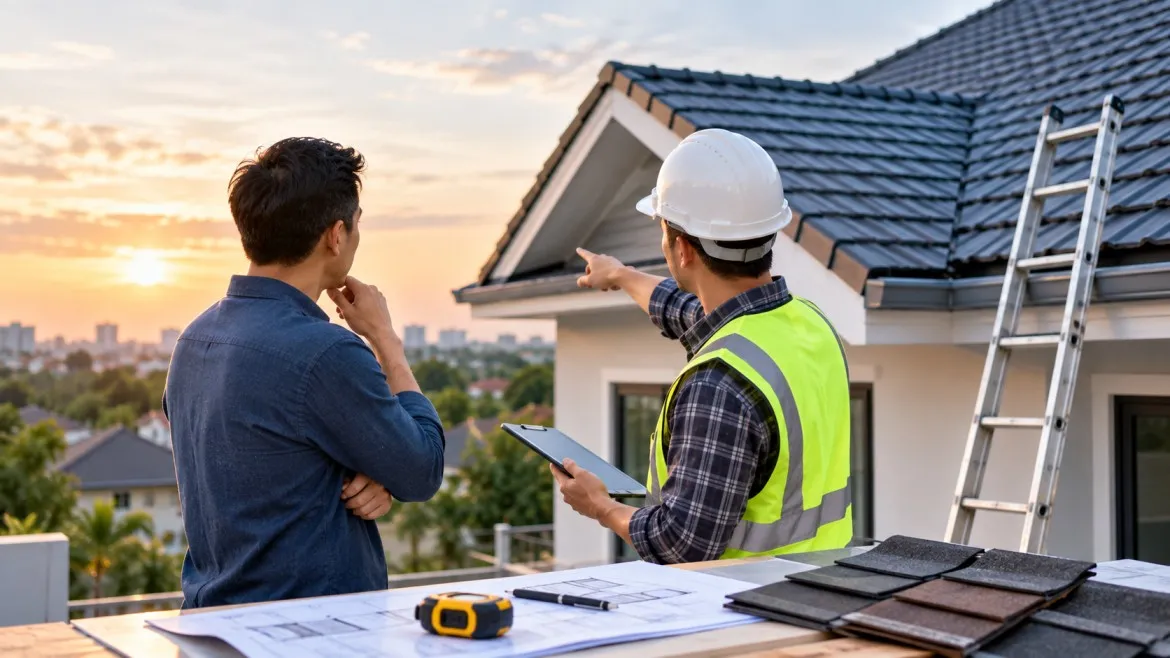
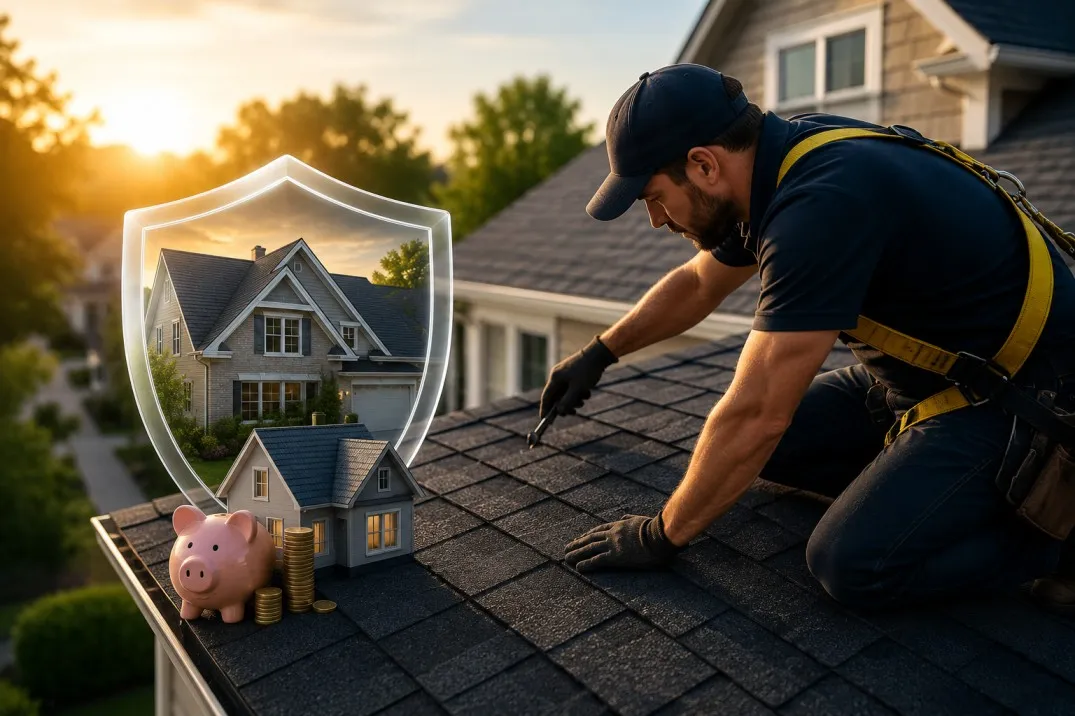
A roof is one of the most important parts of any home, yet it is often overlooked until a major problem appears. Small issues like loose shingles, clogged gutters, or flashing damage may seem minor at first, but they can quickly turn into expensive structural repairs if ignored. For homeowners who want to protect their investment and extend the life of their roofing system, preventative maintenance can make a significant difference.Regular inspections and proactive care not only help maintain curb appeal but also improve energy efficiency and reduce the risk of sudden emergency repairs. Whether a home is brand new or several decades old, understanding the value of roof maintenance can save time, money, and stress over the long term.Why Roof Maintenance MattersMany homeowners assume a roof will remain in good condition for decades without attention. While modern roofing materials are built for durability, exposure to weather, sunlight, wind, and moisture gradually wears them down. Even high-quality roofing systems require occasional maintenance to perform at their best.Routine maintenance helps identify problems before they escalate. A cracked shingle or minor leak may seem insignificant, but moisture intrusion can eventually damage insulation, ceilings, walls, and even the home’s foundation. Preventative care allows homeowners to address issues early while repair costs are still manageable.Another important benefit is extending the lifespan of the roof. A properly maintained roof can often last several years longer than one that is neglected. This delays the need for a full replacement and improves the long-term value of the property.Common Roofing Problems That Start SmallRoofing damage rarely happens all at once. Most serious issues begin with small warning signs that gradually worsen over time. Understanding these common problems can help homeowners recognize when maintenance is needed.Damaged or Missing ShinglesShingles can loosen or crack due to strong winds, hail, or age. Missing shingles expose the underlayment beneath the roof, increasing the risk of leaks and water damage.Flashing DeteriorationFlashing is installed around chimneys, vents, skylights, and roof valleys to prevent water intrusion. Over time, flashing can rust, shift, or separate, allowing moisture to enter vulnerable areas.Clogged GuttersGutters play an important role in directing water away from the roof and foundation. When gutters become blocked with leaves and debris, water can pool along the roofline and seep into the home.Moss and Algae GrowthMoisture buildup encourages moss and algae growth, especially in shaded areas. These organisms can trap moisture against roofing materials and contribute to deterioration.Poor VentilationImproper attic ventilation may lead to excessive heat and moisture buildup. This can shorten the lifespan of roofing materials and increase energy costs throughout the year.The Benefits of Seasonal Roof InspectionsScheduling roof inspections during seasonal transitions is one of the most effective ways to prevent major repairs. Spring and fall are ideal times to evaluate roof conditions because weather extremes often reveal hidden weaknesses.During an inspection, professionals typically check for:Loose or missing shinglesFlashing damageSigns of water intrusionGutter performanceVentilation concernsStructural wearStorm-related damageHomeowners may also benefit from documenting the condition of their roof over time. Keeping records of inspections and repairs can be useful for insurance purposes and future property sales.For homeowners unsure where to begin, working with atrusted Peachtree City roofing contractor can provide valuable insight into maintenance priorities and long-term roofing performance.How Weather Impacts Roofing SystemsWeather conditions have a major impact on roof durability. Homes in areas with seasonal storms, humidity, or high temperatures often experience accelerated wear.Heavy RainFrequent rain can expose vulnerabilities in flashing, gutters, and shingles. Even small openings can allow moisture to penetrate roofing layers over time.Wind DamageStrong winds may lift shingles or loosen roofing materials. Once exposed, underlying materials become more susceptible to water intrusion.Heat and UV ExposureProlonged sunlight can cause roofing materials to dry out, crack, or warp. This is particularly common in older asphalt shingles.Temperature FluctuationsRapid changes in temperature cause roofing materials to expand and contract. Over time, this movement may weaken seals and joints.By understanding how weather affects roofing systems, homeowners can take proactive steps to minimize damage and improve long-term performance.Signs It May Be Time for Professional AttentionWhile some maintenance tasks can be handled by homeowners, certain warning signs should prompt a professional evaluation.These signs include:Water stains on ceilings or wallsSagging roof sectionsGranules collecting in guttersVisible mold or mildew growthPersistent drafts or rising energy billsFrequent leaks during stormsShingles that curl or buckleIgnoring these indicators can allow problems to spread beyond the roof itself. Early intervention is usually far less expensive than waiting for extensive structural repairs.Simple Maintenance Tips for HomeownersAlthough professional inspections are important, homeowners can also take simple steps throughout the year to protect their roofs.Keep Gutters CleanRemoving leaves and debris helps water flow properly and prevents overflow near the roofline.Trim Nearby TreesOverhanging branches may scrape roofing materials or fall during storms. Trimming trees also reduces debris accumulation.Check for Visible DamageAfter severe weather, inspect the roof from the ground for missing shingles or obvious signs of damage.Monitor the AtticLook for signs of moisture, mold, or poor ventilation in attic spaces. These issues often indicate roofing concerns.Address Repairs QuicklyDelaying small repairs can lead to larger problems. Prompt attention helps maintain the integrity of the roofing system.Long-Term Value of Preventative CarePreventative roof maintenance is ultimately about protecting a home’s long-term value. A well-maintained roof improves energy efficiency, supports structural integrity, and enhances curb appeal. It also gives homeowners greater peace of mind during severe weather seasons.Potential buyers are often more confident purchasing a home with documented roof maintenance history, which can positively influence resale value. In many cases, consistent care reduces the likelihood of emergency repairs and extends the usable life of roofing materials significantly.Homeowners who invest in routine inspections and proactive upkeep are typically better prepared for unexpected weather events and seasonal wear. Instead of reacting to major issues after they occur, they can address concerns early and preserve the condition of their property for years to come.

A
Abdus Salam