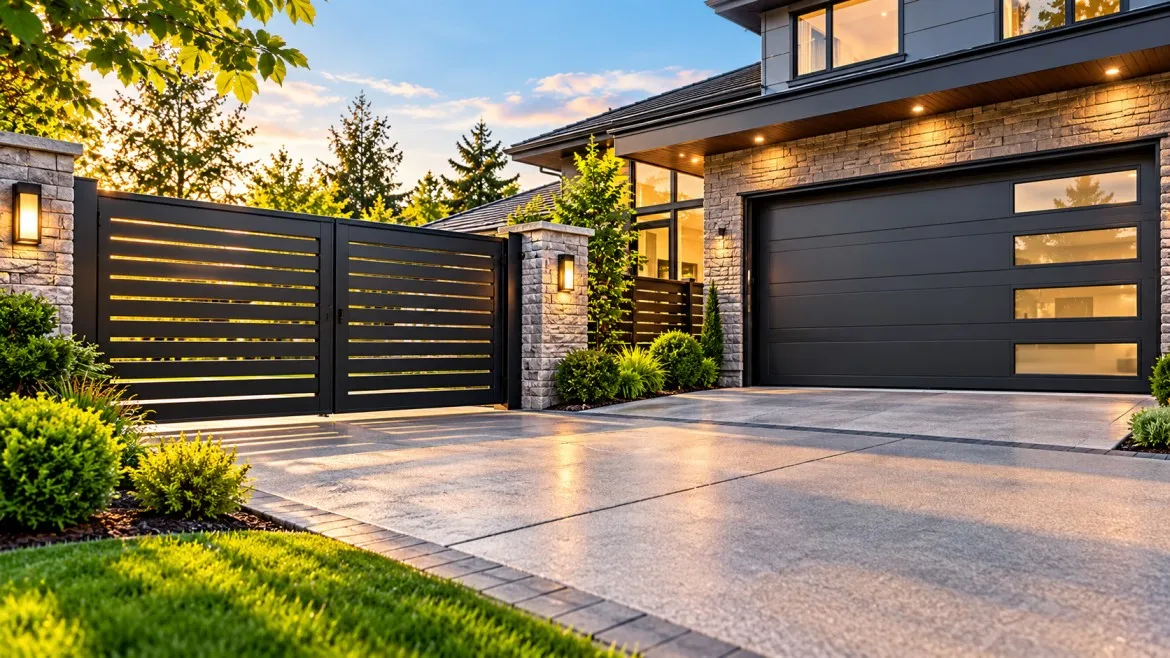
Every completed construction project tells a story, but the best stories are not always about the most dramatic transformations. Sometimes, the biggest achievement is turning a cramped floor plan into a comfortable gathering space. Other times, it involves rebuilding an aging home without losing the architectural character that made it worth purchasing.
For homeowners considering a renovation or custom building project, looking at completed work provides something far more useful than design inspiration. It offers a window into construction quality, problem-solving capabilities, and the decisions that make a project successful.
The trick is knowing what to look for beyond the beautiful photographs.
A Great Project Starts Before the First Wall Comes Down
Imagine walking into a house with a dated interior, narrow hallways, and several disconnected living areas. The homeowner envisions an open, welcoming space with natural light, contemporary finishes, and room for entertaining.
Achieving that vision begins with understanding the property's existing conditions.
Professional contractors evaluate structural framing, foundation performance, mechanical systems, and architectural limitations before developing construction plans.
This investigation matters because residential remodeling rarely happens in a perfectly predictable environment. An older house might contain concealed plumbing alterations, undersized framing, or electrical installations that no longer meet current requirements.
Identifying these conditions early allows the project team to build realistic budgets and avoid unnecessary redesigns after construction begins.
The most impressive projects are often the ones where careful preparation prevented problems that homeowners never had to experience.
The Difference Between a Pretty Finish and Quality Craftsmanship
A photograph can capture a beautiful kitchen, but it cannot always show whether the cabinets are properly secured or whether the floor beneath the tile was adequately prepared.
Construction quality becomes more apparent when examining details.
Look at how countertop edges meet adjacent surfaces, whether cabinet reveals are consistent, and how flooring transitions between rooms.
In bathrooms, waterproofing methods and substrate preparation are especially important. Tile and grout are not substitutes for a properly constructed waterproofing assembly.
Exterior projects deserve similar scrutiny. Window flashing, drainage detailing, siding transitions, and roof penetrations all influence long-term durability.
These elements might never appear in a project's showcase photographs, but they help determine whether the finished work performs as intended.
A reliable contractor should be able to explain not only which materials were used, but also how the underlying construction was completed.
A Kitchen Transformation That Changes the Entire Home
One of the most meaningful residential improvements is a kitchen renovation that changes how adjacent rooms interact.
Consider a traditional home where a narrow kitchen sits behind a partition separating it from the dining room.
Removing or modifying that partition may create space for a larger island, additional seating, and improved movement between the cooking and entertaining areas.
However, the finished layout depends on several technical decisions.
Structural walls may need replacement beams. Plumbing and electrical systems must be relocated. Lighting layouts must account for preparation areas, circulation routes, and architectural features.
Cabinet fabrication, appliance clearances, and countertop dimensions must also work together.
When these details are coordinated correctly, the transformation feels natural, as though the home was always intended to function that way.
That is the difference between installing expensive finishes and delivering a well-executed renovation.
What Signature Projects Reveal About a Contractor
A portfolio should demonstrate more than a single design style.
Contractors with experience across kitchen renovations, bathroom remodeling, whole-home transformations, and custom construction often encounter a wide range of technical challenges.
Reviewing different project types can help homeowners understand a builder's capabilities.
For example, a contemporary kitchen may demonstrate precise cabinet installation and finish coordination, while a major home renovation may reveal experience with structural modifications and complex construction sequencing.
Homeowners can browse their signature projects to explore different remodeling approaches and gather ideas for layouts, finishes, and architectural features.
When reviewing a portfolio, consider whether the examples resemble your property's construction type and the scope of work you intend to undertake.
A contractor experienced in cosmetic updates is not automatically equipped to manage a structural renovation or ground-up construction project.
The Real Work Happens Between Design and Completion
Finished photographs rarely communicate the amount of coordination required during construction.
A whole-home remodel may involve demolition crews, framers, electricians, plumbers, HVAC installers, drywall specialists, flooring installers, cabinetmakers, and finish carpenters.
Each trade depends on the work completed before it.
For example, a bathroom vanity cannot be installed properly if the rough plumbing locations fail to match the approved cabinet drawings.
Similarly, a kitchen countertop cannot be fabricated accurately until the cabinets are installed and verified.
Experienced project managers anticipate these dependencies and establish inspection points before work moves forward.
They also coordinate material deliveries to prevent completed areas from becoming crowded storage spaces.
Good scheduling is not simply about working faster. It is about completing tasks in the right order while minimizing rework.
How to Turn Portfolio Inspiration Into a Practical Plan
Homeowners frequently collect photographs of appealing kitchens, bathrooms, and exterior renovations without identifying what they actually like about each example.
Before meeting with a contractor, separate the functional improvements from the decorative preferences.
Perhaps the attraction is not the kitchen's white cabinets, but its uninterrupted preparation space. Maybe the bathroom feels luxurious because of its lighting arrangement rather than the particular tile selection.
Recognizing these distinctions helps establish priorities.
The next step is to compare the desired improvements with the property's structural limitations, available square footage, permitting requirements, and budget.
A contractor can then recommend feasible approaches rather than attempting to reproduce a design that does not fit the building.
Let Proven Work Guide Your Next Project
Signature construction projects offer valuable insight into a contractor's workmanship, technical experience, and ability to turn complicated requirements into practical results.
Look beyond the finishes. Study the layouts, examine craftsmanship, and ask how structural and construction challenges were addressed.
If you are planning a kitchen renovation, bathroom remodel, home addition, or larger residential transformation, start by reviewing completed work and arranging a detailed project consultation. The right conversation can turn design inspiration into a buildable plan with clear priorities, realistic expectations, and lasting results.