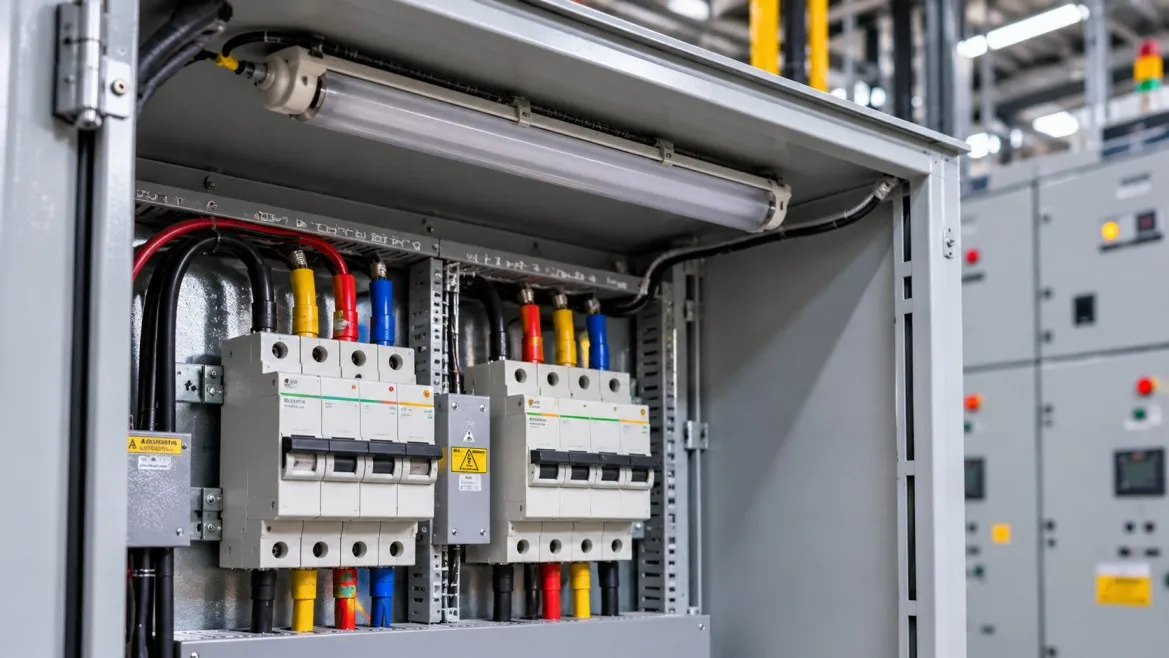
Why Does Internal Switchgear Lighting Stop Working?
A Switchgear Interior Light provides essential visibility during electrical cabinet inspections, troubleshooting, and maintenance activities. However, various electrical, environmental, and mechanical problems can cause unexpected lighting failures. Common symptoms include flickering, reduced brightness, intermittent operation, and complete illumination loss. These problems often originate from unstable power supplies, damaged LED drivers, loose connections, or excessive operating temperatures. Moisture accumulation and faulty door switches can also interrupt normal operation. Identifying the actual failure mechanism helps technicians avoid unnecessary component replacement. Different symptoms require different diagnostic approaches because not every lighting failure involves a defective LED module. Technicians should examine the auxiliary supply, control components, wiring condition, and surrounding environment before selecting corrective actions. Accurate fault identification also reduces repeated failures and unnecessary maintenance costs.
How Do Voltage Fluctuations Damage Lighting Components?
Electrical supply instability can damage lighting circuits inside medium-voltage and low-voltage switchgear cabinets. Excessive input voltage increases electrical stress across driver components, including rectifiers, switching transistors, and capacitors. Repeated transient overvoltages may exceed component ratings and accelerate insulation deterioration. Conversely, insufficient voltage can prevent driver startup or trigger protective shutdown circuits. Some switching power supplies repeatedly restart when the input falls below their operating threshold. This behavior produces intermittent illumination even when the LED module remains functional. Incorrect AC or DC supply selection introduces additional risks, particularly when equipment lacks suitable input protection. Technicians should compare actual supply conditions against the manufacturer's rated voltage range. They must also consider switching transients, auxiliary transformer behavior, and power supply compatibility before replacing damaged components.
What Happens When an LED Driver Fails?
The LED driver regulates electrical current and helps maintain stable illumination during normal operation. Unlike traditional incandescent lighting, LED circuits require controlled current to prevent excessive junction temperatures. A damaged driver can produce flickering, inconsistent brightness, or complete lighting failure. Electrolytic capacitors represent one potential weakness because sustained heat accelerates electrolyte deterioration. Reduced capacitance can increase output ripple and destabilize current regulation. Switching transistors, rectifier diodes, and internal protection components may also fail under electrical stress. Repeated startup attempts sometimes indicate overloaded outputs or defective control circuitry. A Switchgear Interior Light with an integrated driver may require complete fixture replacement after internal failure. Technicians should first verify the external supply and wiring condition. This distinction prevents unnecessary replacement when upstream electrical problems cause identical symptoms.
Can Loose Wiring Cause Intermittent Lighting Failure?
Loose electrical connections frequently cause unpredictable lighting behavior inside switchgear enclosures. Mechanical vibration, insufficient terminal tightening, and conductor movement can weaken electrical contact over time. Increased contact resistance produces localized heating and potentially accelerates terminal deterioration. Oxidation further reduces connection quality, particularly in humid industrial environments. Intermittent connections may interrupt current whenever cabinet doors move or equipment vibrates. Damaged conductor strands can create similar symptoms without obvious external damage. Excessive terminal tightening can also deform conductors or damage connection hardware. Technicians should inspect terminal blocks, conductor insulation, wire ferrules, and connector seating during scheduled inspections. They must follow manufacturer torque specifications when restoring suitable connections. Any visible discoloration, melted insulation, or damaged terminal hardware requires further investigation before returning the lighting circuit to operation.
How Does Excessive Heat Affect a Switchgear Interior Light?
Excessive temperature accelerates deterioration in LED modules and associated electronic components. Switchgear enclosures can experience elevated internal temperatures because electrical equipment generates heat during operation. Transformers, busbars, power electronics, and auxiliary devices may contribute to the surrounding thermal environment. High LED junction temperatures accelerate lumen depreciation and can increase semiconductor failure risks. Driver capacitors also experience faster aging when operating temperatures exceed their preferred range. Inadequate ventilation and restricted mounting clearances can worsen thermal accumulation around lighting assemblies. Poor thermal contact between LED boards and heat-dissipating surfaces introduces additional stress. Manufacturers typically specify operating temperature limits for reliable performance. Technicians should evaluate ambient conditions, fixture placement, and nearby heat sources when investigating recurring failures. Replacing components without correcting thermal problems may produce similar failures.
Why Do Moisture and Condensation Cause Electrical Faults?
Moisture creates electrical and chemical risks for lighting circuits inside enclosed electrical cabinets. Condensation can develop when internal surfaces cool below the surrounding air's dew point. Temperature variations, humid air infiltration, and inadequate enclosure sealing increase this possibility. Water accumulation on circuit boards may create leakage paths between conductive surfaces. Dissolved contaminants can increase conductivity and accelerate electrochemical corrosion. Terminal connections, printed circuit traces, and driver components may gradually deteriorate under repeated exposure. Moisture can also affect insulation resistance and trigger protective shutdown mechanisms. Enclosure ingress protection ratings describe resistance against specified environmental exposure, but they do not eliminate internal condensation. Technicians should inspect seals, cable entries, cabinet heaters, and moisture-control arrangements when applicable. Correcting humidity conditions helps prevent repeated electronic failures and connection deterioration.
How Can Dust and Chemical Contamination Damage Fixtures?
Industrial environments can expose cabinet lighting assemblies to dust, airborne particles, and chemical contaminants. Fine particles may accumulate on protective lenses, reducing the amount of light reaching working surfaces. Conductive dust creates more serious problems when it settles across energized electronic components. Combined with moisture, contamination can promote leakage currents and corrosion. Chemical vapors may also attack metallic contacts, solder joints, and exposed circuit surfaces. Heavy particle accumulation around heat-dissipating structures can increase operating temperatures. These effects may develop gradually, making early symptoms difficult to identify. Technicians should distinguish reduced optical output from actual electrical deterioration. A contaminated lens may require appropriate cleaning rather than fixture replacement. However, damaged insulation or corroded internal circuitry demands further assessment. Environmental conditions should influence enclosure protection and component suitability decisions.
Can Faulty Door Switches Prevent Cabinet Lighting?
Many switchgear cabinets use mechanical door switches or magnetic contacts to control internal lighting automatically. These devices activate illumination when technicians open the enclosure. A defective switch can interrupt the control circuit even when the lighting fixture remains operational. Mechanical switches may suffer contact wear, actuator damage, or incorrect positioning. Magnetic switches can malfunction when mounting alignment changes or surrounding hardware affects operation. Loose control wiring may create additional intermittent faults during repeated door movement. Technicians should inspect the switch mechanism and verify its specified operating behavior. They should also examine whether a relay or separate control circuit influences switching. A failed control contact does not necessarily indicate LED deterioration. Accurate circuit tracing helps distinguish switching problems from supply interruptions and internal electronic defects.
What Installation Errors Lead to Premature Lighting Failure?
Incorrect installation can introduce electrical and mechanical stress before a fixture enters regular service. Connecting equipment to an incompatible voltage supply may immediately damage internal driver circuits. Reversed DC polarity can also cause failure when the device lacks suitable polarity protection. Poor conductor preparation increases contact resistance and creates unreliable terminal connections. Excessively tightened fasteners may crack plastic housings or damage internal mounting structures. Inadequate clearance around heat-sensitive components can restrict cooling and accelerate deterioration. Unsupported wiring may experience repeated mechanical stress whenever technicians open the cabinet door. Installers should confirm electrical ratings, terminal assignments, mounting dimensions, and manufacturer installation requirements. Proper cable routing also reduces abrasion against metallic edges and moving components. Correct installation practices help prevent avoidable failures during initial operation and subsequent service.
How Can Technicians Identify Common Lighting Faults?
Effective troubleshooting begins by separating external electrical problems from internal fixture defects. A Switchgear Interior Light may stop functioning because of supply interruptions, control failures, or component damage. Technicians should follow an organized inspection sequence rather than replacing equipment immediately. Only qualified personnel should perform electrical testing under appropriate isolation and safety procedures. Cabinet access must follow applicable electrical safety requirements and authorized operating practices. Before starting diagnostic work, technicians should identify the lighting circuit's supply source and relevant protective devices. They should also check whether other auxiliary equipment shows abnormal behavior. The following checklist supports systematic fault identification while reducing unnecessary component handling.
- Verify supply conditions: Confirm the rated voltage, supply type, and protective device condition.
- Inspect wiring connections: Check terminal integrity, conductor damage, and signs of overheating.
- Examine control devices: Assess door switches, relays, and associated control wiring.
- Check environmental damage: Look for moisture, corrosion, dust accumulation, and thermal discoloration.
- Assess fixture condition: Identify visible component damage, abnormal brightness, or repeated startup behavior.
- Determine corrective action: Address external faults before considering fixture replacement.
When Should a Switchgear Interior Light Be Replaced?
Replacement becomes appropriate when internal component damage compromises reliable or safe operation. Burned circuit boards, damaged insulation, and severely corroded connections indicate potentially serious electrical deterioration. Repeated driver failure may also justify replacement after technicians eliminate external supply problems. However, fixture replacement alone cannot correct persistent overvoltage, moisture exposure, or excessive temperatures. Technicians should compare the replacement unit's rated voltage, frequency, operating temperature, and mounting requirements against existing conditions. Compatible electrical connections and enclosure dimensions are equally important. Manufacturer instructions should determine whether internal repairs are permissible or complete replacement is necessary. Any replacement should preserve the cabinet's intended electrical safety and environmental protection characteristics. Documenting the failure symptoms and corrective measures helps maintenance teams identify recurring problems across similar installations.
Frequently Asked Questions
Why Does a Switchgear Cabinet Lamp Flicker Before Failing?
Flickering often indicates unstable electrical current, deteriorating driver components, or intermittent wiring connections. A failing electrolytic capacitor can increase output ripple and disrupt steady LED operation. Loose terminals may also interrupt current when equipment vibrates or cabinet doors move. Supply fluctuations can trigger repeated driver restarts, producing visible brightness variations. However, flickering does not always mean the LED module has reached the end of its service life. Technicians should inspect supply stability, electrical connections, and control components before replacing the fixture. Persistent flickering requires investigation because damaged contacts may generate localized heating and introduce additional electrical hazards.
Can a Faulty Cabinet Light Affect Switchgear Operation?
A defective lighting fixture does not normally interfere directly with the switchgear's primary power switching functions. However, some installations connect lighting and other auxiliary equipment to shared supply circuits. An internal lighting short circuit may activate an upstream protective device. Depending on circuit design, this interruption could also affect connected auxiliary loads. Faulty wiring may introduce additional electrical hazards or complicate maintenance activities. The actual consequences depend on the cabinet's auxiliary circuit architecture and protection arrangement. Technicians should examine wiring diagrams and protective device coordination when investigating related problems. Critical switching, protection, and interlocking functions require independent verification whenever their auxiliary supplies may be affected.
How Can Technicians Prevent Repeated Lighting Failures?
Preventing recurring failures requires correcting the conditions responsible for the original damage. Technicians should verify supply compatibility and examine possible voltage disturbances before installing replacement equipment. Secure terminal connections reduce intermittent interruptions and localized contact heating. Adequate thermal clearance helps electronic components operate within their specified temperature limits. Moisture management also matters, especially in cabinets exposed to frequent temperature changes. Suitable enclosure seals and condensation-control measures can reduce corrosion risks. Maintenance records should document recurring symptoms, environmental conditions, and previous corrective actions. When repeated failures affect identical fixtures, technicians should compare operating conditions and component specifications. This approach helps identify shared problems rather than isolated defects.