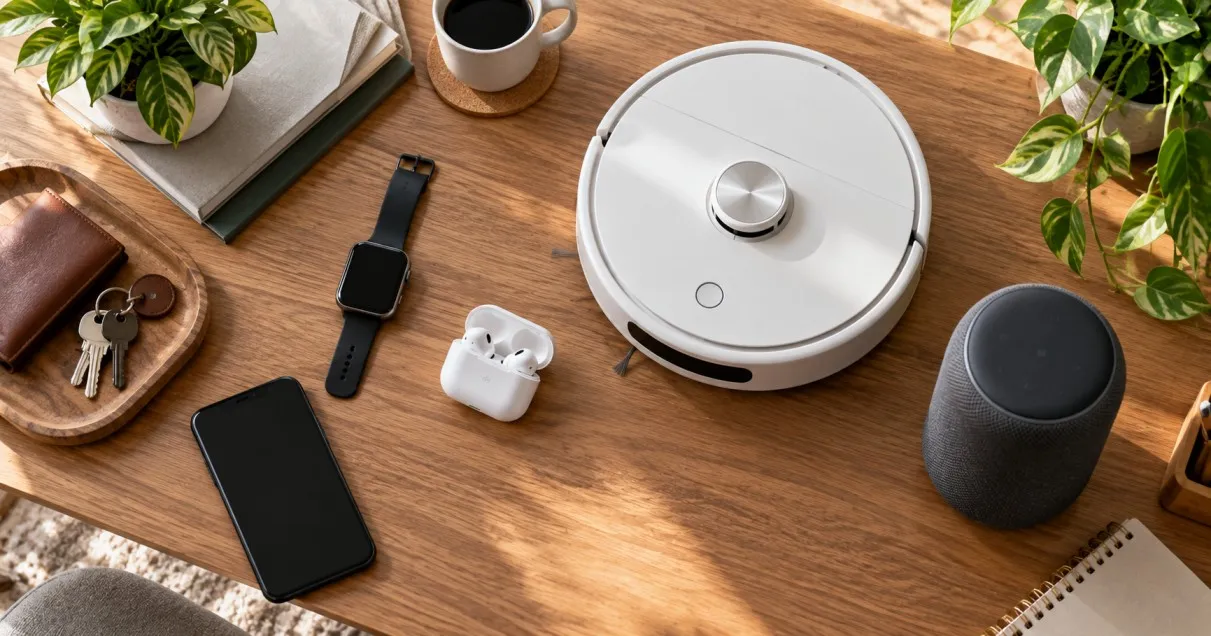
New devices land on shelves every week, and it's easy to feel like you're always one step behind. The top 10 gadgets you need to try this year aren't just hype — they solve real everyday problems, from cutting your grocery bill to protecting your home while you sleep. This guide breaks down which ones are genuinely useful, what they cost, and how to pick the right ones for your lifestyle.
Why Gadget Trends Matter This Year
Technology moves fast, but not every new release is worth your money. This year's standout gadgets lean into three themes: smarter home automation, AI-assisted convenience, and longer battery life. Instead of chasing every shiny release, it helps to understand why certain categories are worth the investment before you spend a dollar.
If you've been following the broader shift toward automation, it ties closely into how machine learning is changing everything, which is reshaping the kind of products landing in stores. That same shift is a big part of why this year's smart home technology feels noticeably more capable than what was available just a couple of years ago.
How These Picks Were Chosen
Each gadget on this list was selected based on three criteria:
- Genuine usefulness — it solves a real problem, not just a novelty
- Value for money — reasonable pricing relative to what it offers
- Availability — widely available through mainstream retailers, not limited pre-order hype
The Top 10 Gadgets Worth Trying This Year

1. Smart Home Hubs with On-Device AI
Newer smart home hubs process voice commands locally instead of sending everything to the cloud, which means faster responses and better privacy. They tie together lights, thermostats, and locks into one dashboard.
2. Compact Robot Vacuums with Self-Emptying Bases
This year's models are quieter, map rooms more accurately, and empty their own bins for weeks at a time — a genuine time-saver for busy households.
3. Next-Gen Gaming Consoles
If you're debating an upgrade, it's worth weighing performance gains against the cost. Our deeper breakdown on whether next-gen consoles are worth the upgrade covers this in detail.
4. High-Performance Graphics Cards
For PC gamers and creators, new GPU releases continue to push frame rates and efficiency higher. The recently released AMD Radeon RX 9070 GRE is a good example of a mid-range card that punches above its price point.
5. Smart Rings and Compact Fitness Trackers
Smaller than a smartwatch and less intrusive to wear at night, smart rings track sleep, heart rate, and recovery without needing to be charged daily.
6. AI-Powered Noise-Cancelling Earbuds
This year's earbuds use adaptive AI to filter background noise more precisely, adjusting in real time as your environment changes — useful for commuters and open-plan offices alike.
7. Advanced Home Security Cameras
Security tech has improved significantly, particularly in low-light performance. If you're shopping for one, understanding the role of night vision in security camera systems will help you compare specs properly.
8. Portable Power Stations
Larger capacity in a smaller footprint makes these useful for camping, power outages, or remote work setups away from a wall outlet.
9. Foldable Phones (Second and Third Generation)
Durability has improved a lot since the first generation, with better hinge mechanisms and screens less prone to creasing.
10. Smart Kitchen Scales and Connected Appliances
These sync with recipe apps to track nutrition automatically, which is a small but genuinely convenient upgrade for people who cook regularly.
Features, Pricing, and What Sets Them Apart
Beyond the individual gadgets, it helps to understand the broader trends driving these releases. Manufacturers are prioritizing energy efficiency and cross-device compatibility, meaning many of this year's gadgets now work seamlessly with each other regardless of brand — a shift praised by outlets like The Verge and CNET in their yearly roundups.
Setup and Usage Tips
Most of these devices connect through a companion app. Before buying, check that the gadget is compatible with your existing smart home ecosystem (Apple HomeKit, Google Home, or Amazon Alexa) to avoid compatibility headaches later.
If you're new to messaging and productivity tools that often pair with these gadgets, it's also worth brushing up on handy WhatsApp tips and tricks, since many smart devices now integrate notifications through messaging apps.
What to Do
- Research compatibility with your existing devices before purchasing
- Read independent reviews from at least two different tech publications
- Check the return policy in case the gadget doesn't fit your workflow
- Compare battery life and warranty terms across similar models
- Buy from authorized retailers to ensure valid warranty coverage
What Not to Do / Common Mistakes
- Don't buy the newest release on day one — wait for real-world reviews and price drops
- Don't ignore data privacy settings on smart home devices
- Don't assume all "smart" gadgets are compatible with each other out of the box
- Don't skip reading the return window before opening sealed packaging
- Don't overlook subscription costs some gadgets require for full functionality
Tips for Choosing the Right Gadget for Next Year
- Set a budget range before browsing, so you're not swayed by flashy marketing
- Prioritize gadgets that solve an actual daily inconvenience, not just ones that look impressive
- Keep an eye on trade-in programs, which can offset the cost of upgrading
- Follow reputable tech review channels for hands-on testing before committing
Frequently Asked Questions
Which gadget on this list gives the best value for money?
For most people, a self-emptying robot vacuum or a compact fitness tracker offers the best balance of price and everyday usefulness compared to higher-end items like foldable phones.
Do I need to buy all of these gadgets at once?
No. It's better to start with one or two that solve a specific problem in your daily routine, then expand your setup gradually as needed.
Are smart home gadgets safe from a privacy standpoint?
Most reputable brands offer local processing options and clear privacy settings, but it's worth reviewing each device's data policy before connecting it to your home network.
How long do these gadgets typically last before needing an upgrade?
Most electronics remain functional for 3-5 years, though software support and battery health are usually the limiting factors rather than hardware failure.
Is it better to buy gadgets during sales events?
Yes, waiting for major sales periods like Black Friday or back-to-school promotions can significantly reduce the price on most items in this list.
Do next-gen consoles work with older games?
Backward compatibility varies by console and title, so it's worth checking the manufacturer's compatibility list before assuming your existing game library will transfer.
What should I check before buying a security camera?
Look at night vision quality, storage options (cloud vs. local), and whether the camera supports two-way audio and motion zone customization.
Conclusion
This year's lineup shows a clear shift toward smarter, more connected, and more energy-efficient devices. Whether you're upgrading your home security, your gaming setup, or your everyday carry, the top 10 gadgets you need to try this year each bring something genuinely useful to the table — as long as you choose based on your actual needs rather than hype. Start with one gadget that solves a real problem in your routine, and build from there.