I'll be honest with you before we even start. When I first heard about RF microneedling, I rolled my eyes a bit. Another skincare trend, I thought, another thing people would swear by for three months before moving onto the next shiny gadget. But here we are, months later, and I'm writing this because my opinion genuinely changed. Not because someone paid me to say it works, but because my skin actually looks different. Better. Firmer, honestly, in a way I didn't expect.
So let's talk about RF microneedling properly. No filters, no fluff, just what actually happens when you try it and stick with it.
What RF Microneedling Actually Is
RF microneedling combines two things that already had a decent reputation on their own: microneedling and radiofrequency energy. The needles create tiny, controlled punctures in the skin, and the radiofrequency heat travels beneath the surface at the same time. Together, they trigger your skin's natural healing response, which kickstarts collagen induction therapy deep in the dermis.
You've probably heard of traditional microneedling already. It's been around for years. But adding radiofrequency into the mix changes things quite a bit. The heat tightens existing collagen fibres while the needles stimulate new ones to form. It's a two-for-one deal, in a sense, and that's really what sets it apart from older methods.
To be fair, it's not magic. It's biology, just accelerated a little by clever engineering.
My First Session (Was It Scary?)
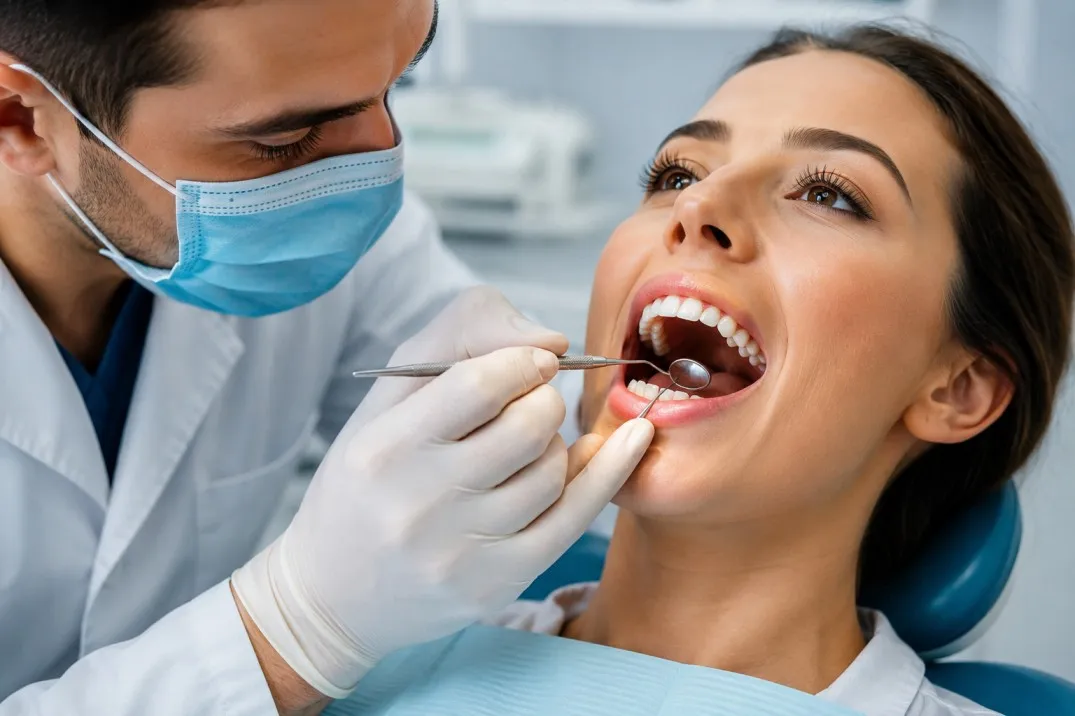
I won't lie, I was nervous walking in. The word "needles" near my face didn't exactly fill me with joy. But the reality was far less dramatic than my imagination had built it up to be. A numbing cream goes on first, so most people describe the sensation as a light vibrating pressure rather than actual pain.
There was some redness afterwards, a bit like mild sunburn, and my skin felt warm to the touch for a few hours. Nothing unbearable. By the next morning, most of that had settled down, though a slight pink tint stuck around for another day or so.
Let's be honest, though, everyone's skin reacts differently. Some people bounce back within hours, others need a full day or two before they feel comfortable going makeup-free in public.
Why People Are Choosing It Over Other Options
Here's the thing that surprised me the most. RF microneedling sits in this sweet spot between doing nothing and going for something drastic like a surgical facelift. It's a genuinely effective non-surgical face lift alternative for people who want visible change without the recovery time or risk that comes with going under the knife.
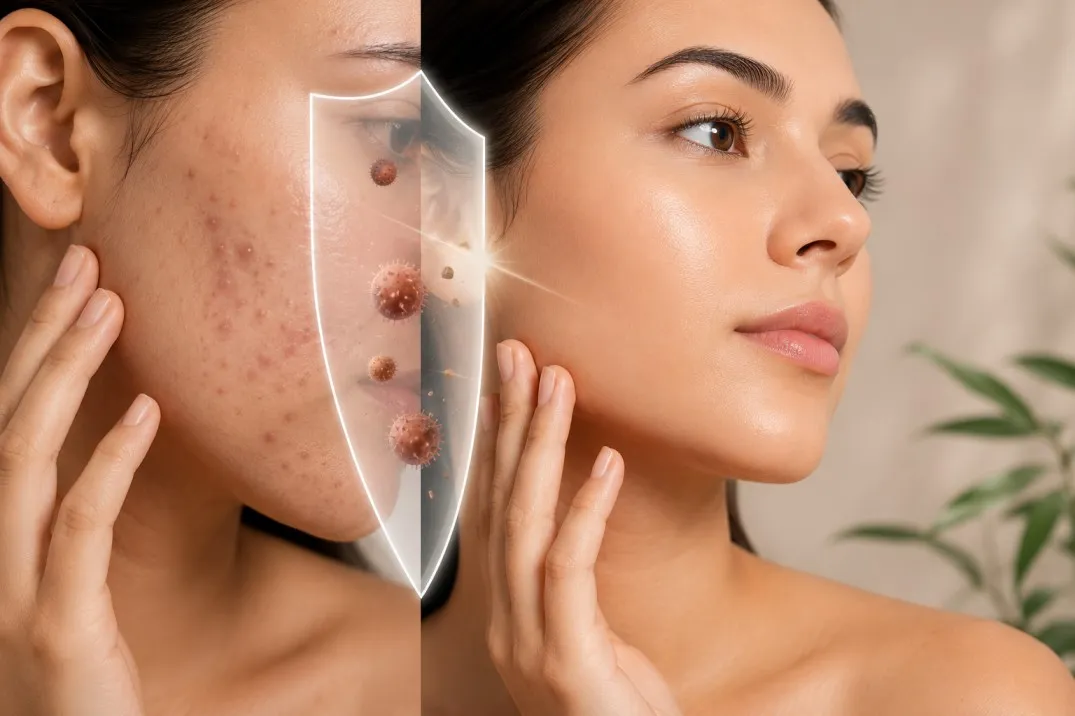
It's also become popular for acne scar treatment, which honestly makes sense once you understand how it works. Scarring often involves damaged collagen structure, and this treatment essentially rebuilds that structure from underneath. I've spoken to a few people who tried it specifically for old acne scarring, and the consistent theme was gradual, steady improvement rather than an overnight miracle.
For anyone chasing better skin texture improvement, whether that's enlarged pores, fine lines, or general dullness, this treatment tends to deliver results that feel earned rather than filtered.
What The Results Actually Looked Like For Me
Right, the part you actually came here for. Did it work?
After the first session, I noticed very little. A slight glow, maybe, but nothing dramatic. That's completely normal, by the way. Collagen doesn't rebuild itself overnight, no matter what some overly enthusiastic before-and-after post online might suggest.
By week three, my skin felt firmer around my jawline, an area I'd honestly given up on. By week six, friends started asking what I'd changed about my routine. I hadn't changed my skincare, my diet, my sleep, nothing. It was the treatment quietly doing its work in the background.
Believe it or not, the biggest change wasn't visual at first. It was texture. My skin felt smoother under my fingertips before I could even see a proper difference in the mirror.
Choosing The Right Approach For You
If you're considering trying this yourself, professional treatments tend to use more powerful equipment than anything you'd find for home use, which does affect how deep the treatment can work and how quickly you'll see results. Clinics generally use proper rf microneedling devices designed specifically for this kind of professional skincare device work, which makes a genuine difference compared to lighter, consumer-grade tools.
That's not to say home devices don't have their place. They do, particularly for maintenance between professional sessions. But if you're after proper collagen remodelling and longer-lasting radiofrequency skin treatment results, professional-grade equipment tends to get you there faster and more consistently.
Is It A Minimally Invasive Treatment Worth The Money?
This is where opinions genuinely differ, and I think that's fair. It's not cheap. A course of sessions adds up, and results build gradually rather than instantly.
But here's my honest take. As a minimally invasive treatment, it sits in a strange but useful middle ground. You're not risking the downtime, cost, or permanence of surgery, yet you're getting results that go beyond what most creams or serums could ever achieve on their own.
If you're the kind of person who wants gradual, natural-looking improvement rather than an obviously "done" appearance, this fits that brief nicely. It's subtle. People notice you look well rather than noticing you've had "something done."
Things I Wish Someone Had Told Me Beforehand
A few things caught me off guard, so let me save you the surprise.
First, results take patience. If you want overnight transformation, this probably isn't it. Second, sun protection afterwards genuinely matters, more than I originally gave it credit for. Freshly treated skin is more sensitive to UV exposure for a little while.
Third, and this one's important, consistency beats intensity. Spacing sessions properly according to professional advice matters more than trying to rush the process by squeezing sessions closer together. Your skin needs that healing window to actually do its job.
Final Thoughts Before You Decide
Ever wondered why so many people end up recommending this treatment to friends rather than keeping it quiet? I think it's because the results feel authentic. There's no dramatic reveal, no sudden transformation people question. Just steadily better skin that looks like a well-rested, healthier version of yourself.
Is it right for absolutely everyone? Probably not. Sensitive skin types or certain medical conditions might need a proper consultation first. But for facial rejuvenation that respects your skin's natural process rather than forcing dramatic change, it's genuinely one of the more sensible options out there right now.
Ready to explore more about RF microneedling and whether it fits your own skin goals? Let's begin your journey.
Frequently Asked Questions
How many sessions does RF microneedling usually take before you see results?
Most people notice early changes around the three to four week mark, though a full course typically involves three to six sessions spaced several weeks apart. Your skin needs that time to properly rebuild collagen, so patience genuinely pays off here.
Does RF microneedling hurt?
Not really, though everyone's pain tolerance differs slightly. With numbing cream applied beforehand, most people describe it as warm pressure rather than sharp pain. A bit of redness afterwards is completely normal and usually settles within a day.
Can RF microneedling help with deep acne scars?
It can help quite significantly, particularly with textured or pitted scarring, though results depend on scar depth and skin type. Several sessions are usually needed rather than just one, and improvement tends to build gradually rather than happening all at once.
Is RF microneedling safe for all skin tones?
Generally speaking, yes, and that's actually one of its advantages over some laser treatments which carry more risk for darker skin tones. That said, a proper consultation beforehand is always worth doing to check your specific skin history and any conditions that might affect suitability.
How long does downtime last after a session?
Most people experience mild redness for anywhere between a few hours and two days, similar to a light sunburn. It's rarely severe enough to stop you going about your normal routine, though some people prefer to avoid makeup for the first day just to let their skin breathe.
Is RF microneedling better than regular microneedling alone?
For most people chasing skin tightening and deeper collagen stimulation, yes, the added radiofrequency element tends to produce more noticeable firming results. Traditional microneedling still has its place, particularly for surface-level texture concerns, but combining it with heat energy generally takes results a step further.