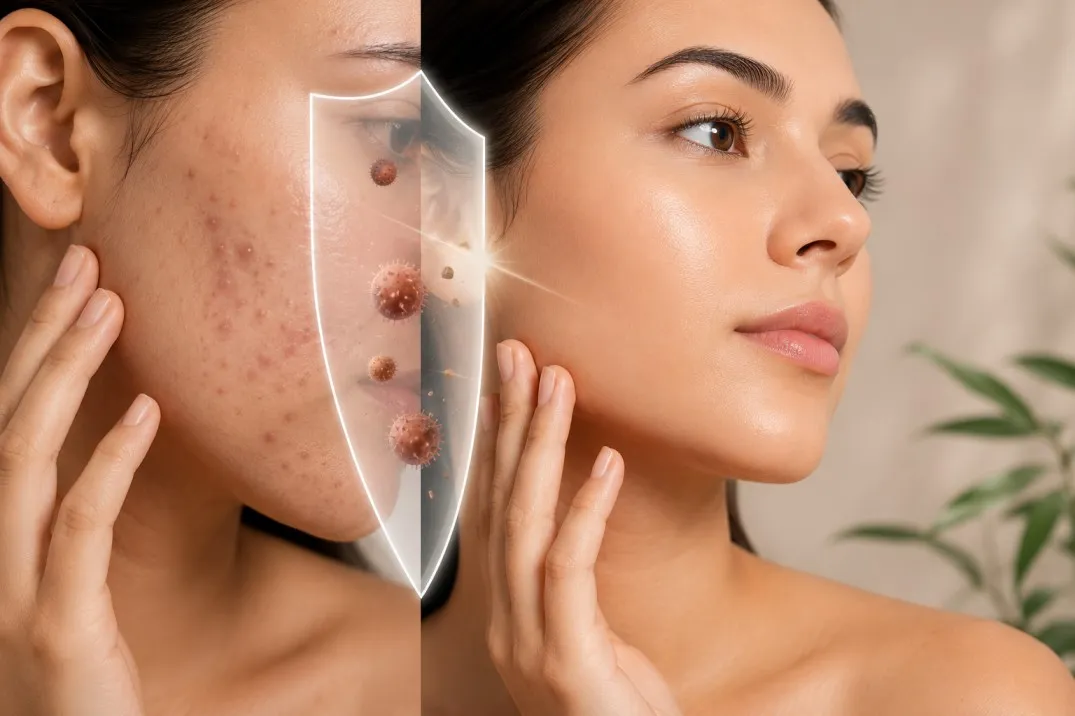
Acne scars rarely tell the whole story. For many clients, visible marks from older breakouts appear alongside active congestion, lingering inflammation, uneven texture, or recurring blemishes. Treating only the scars while ignoring ongoing acne can lead to disappointing results because new damage may continue forming while older marks are being corrected.
A more effective aesthetic approach addresses both sides of the problem. The skin needs support to heal existing damage, but it also needs a strategy that reduces the inflammation and repeated trauma responsible for new scars. This requires careful treatment selection, realistic timing, and close attention to how the skin responds between sessions.
Understand What Type of Acne Damage You Are Treating
Not every mark left by acne is technically a scar. Some clients have post-inflammatory hyperpigmentation, which appears as brown or gray discoloration. Others develop persistent redness after a blemish heals. True acne scarring changes the skin's structure and may appear as shallow depressions, deeper pits, rolling texture, or raised areas.
This distinction matters because pigment, redness, and structural scarring respond differently to treatment.
For example, a treatment chosen to improve uneven tone may have limited effect on deeper textural depressions. Likewise, an aggressive resurfacing approach may be inappropriate when the skin is still experiencing frequent inflammatory breakouts.
A professional assessment should examine scar depth, skin sensitivity, acne activity, pigmentation tendencies, and previous treatments before creating a correction plan.
Control Active Inflammation Before Becoming Too Aggressive
One of the most important ways to prevent future scarring is to reduce the inflammatory cycle behind active acne.
Large, inflamed blemishes can damage collagen structures beneath the surface. Repeated inflammation in the same areas increases the likelihood of lasting texture changes. Picking, squeezing, and attempting home extractions can make that damage even worse.
Before moving into stronger scar-focused procedures, an aesthetic treatment plan may concentrate on improving congestion, calming visible irritation, supporting balanced exfoliation, and reducing conditions that encourage repeated breakouts.
This does not necessarily mean waiting until the skin is completely flawless before addressing older damage. Instead, treatment intensity should match the skin's current condition. Calm skin generally responds more predictably than skin already busy fighting several battles at once.
Use Controlled Skin Renewal to Improve Texture
Once acne activity is reasonably controlled, professional skin renewal treatments can help soften visible damage.
Depending on the client's skin and scar pattern, this may involve carefully selected chemical exfoliation, microneedling, laser-based procedures, or other collagen-stimulating treatments. The goal is not simply to remove surface skin. Effective scar correction encourages gradual remodeling beneath the surface while protecting the skin barrier.
Microneedling, for instance, creates controlled microchannels that stimulate the skin's natural repair response. Over time, new collagen formation may help improve certain types of depressed acne scars and uneven texture.
Chemical treatments can be useful when discoloration and surface irregularity accompany scarring. However, peel depth and formulation need to be selected carefully. More intensity is not automatically better. Skin appreciates enthusiasm, but it prefers precision.
Protect the Skin Barrier Between Treatments
Scar treatments depend heavily on what happens between appointments.
A compromised skin barrier may become more reactive, dehydrated, or prone to additional inflammation. That can slow progress and make future treatments harder to tolerate. For this reason, professional scar correction usually includes a supportive home routine rather than relying on procedures alone.
Gentle cleansing, appropriate hydration, and consistent sun protection are especially important. Strong exfoliating products should not be layered together casually, particularly after treatments that already stimulate renewal.
Clients should also avoid experimenting with multiple new active products at the same time. If irritation develops, it becomes difficult to determine which ingredient caused it. A simpler routine often makes it easier to monitor skin behavior and adjust treatment responsibly.
Prevent Pigmentation While Correcting Scars
Acne damage often involves both texture and color. This is particularly important for clients whose skin develops dark marks easily after inflammation.
Treating a scar aggressively without considering pigmentation risk can sometimes replace one concern with another. Professional treatment planning should therefore consider how easily the client's skin develops post-inflammatory discoloration.
Sun exposure also matters. UV exposure can deepen existing pigmentation and make uneven tone more noticeable. Daily broad-spectrum sunscreen should be considered part of acne scar management, not an optional extra reserved for beach days.
Clients looking for professional guidance can consultUtopia Aesthetic Professionals to explore treatment options based on their specific skin condition rather than relying on a one-size-fits-all protocol.
Measure Progress Across Several Skin Cycles
Acne scar correction is gradual because collagen remodeling takes time.
Clients may notice improvements in brightness or smoothness relatively early, while deeper texture changes often require multiple sessions spaced appropriately apart. Treating too frequently can interfere with recovery and increase irritation.
Progress should be evaluated using consistent lighting, photographs, and observations of specific areas rather than relying only on memory. Skin changes slowly enough that improvements can be difficult to notice day by day.
Treatment plans may also need adjustment as the skin improves. A client who initially needed inflammation control may later become a better candidate for stronger resurfacing or collagen-focused procedures.
For those planning an in-person consultation, you can alsoview the aesthetic center location on Google Maps before scheduling your visit.
Build a Long-Term Strategy for Clearer, Smoother Skin
Successfully treating acne damage requires more than targeting visible scars. The best results come from controlling active inflammation, protecting the skin barrier, reducing pigmentation risks, and introducing corrective treatments at the right stage.
Professional guidance is especially valuable when different concerns overlap, such as breakouts, dark marks, sensitivity, and textural scarring. Instead of chasing each issue separately, a coordinated plan allows treatments to build on one another while reducing unnecessary irritation.
If acne scars or recurring blemishes are affecting the texture and appearance of your skin, schedule a professional consultation. A personalized assessment can help determine which treatments are appropriate now, which should wait, and how to reduce the likelihood of future scarring while steadily improving existing damage.