Thep99 is the broader landscape of online entertainment platforms, particularly when discussing the relationship between PG Soft, digital slot content, and sportsbook-style services. Looking at these categories together offers a chance to understand how technology, content presentation, mobile design, and user expectations shape the modern digital entertainment experience without assuming that every service operates in the same way.
Understanding the Content Behind Digital Platforms
Every online platform has its own content structure. Some focus on casual games, others feature interactive entertainment, and some bring different digital categories together under one interface. The way these categories are organised can affect how people navigate a website, discover information, and understand the services being presented.
A platform's content DNA is basically the combination of elements that gives its digital experience a particular identity. This might include its visual style, navigation system, written descriptions, technical features, and the way information is arranged.
For a name such as Thep99, it is important to distinguish between general discussion and verified facts. A name alone does not establish who operates a platform, which providers it works with, or what services are currently available. Those details should be checked through reliable sources rather than assumed from online mentions or promotional material.
PG Soft and the Evolution of Mobile Game Design
PG Soft is commonly associated with mobile-oriented game development. In the wider digital gaming industry, developers work to create experiences that function across different devices while maintaining a consistent visual identity.
Mobile-first design has become especially important because many people access online content through smartphones. Small screens require thoughtful layouts, readable text, and controls that are easy to tap. A design that works perfectly on a desktop computer might feel cluttered or awkward on a phone if it has not been adapted properly.
Visual storytelling is another key feature of modern game development. Illustrations, animation, sound effects, and themed environments help establish the atmosphere of an interactive product. Some games use fantasy-inspired artwork, while others take inspiration from history, nature, or futuristic settings.
Still, strong graphics are only one part of quality design. Clear instructions, accessible settings, stable performance, and transparent information are just as important. A visually impressive product does not automatically provide evidence about a platform's reliability, security, or operating practices.
Digital Slots: Technology and Presentation
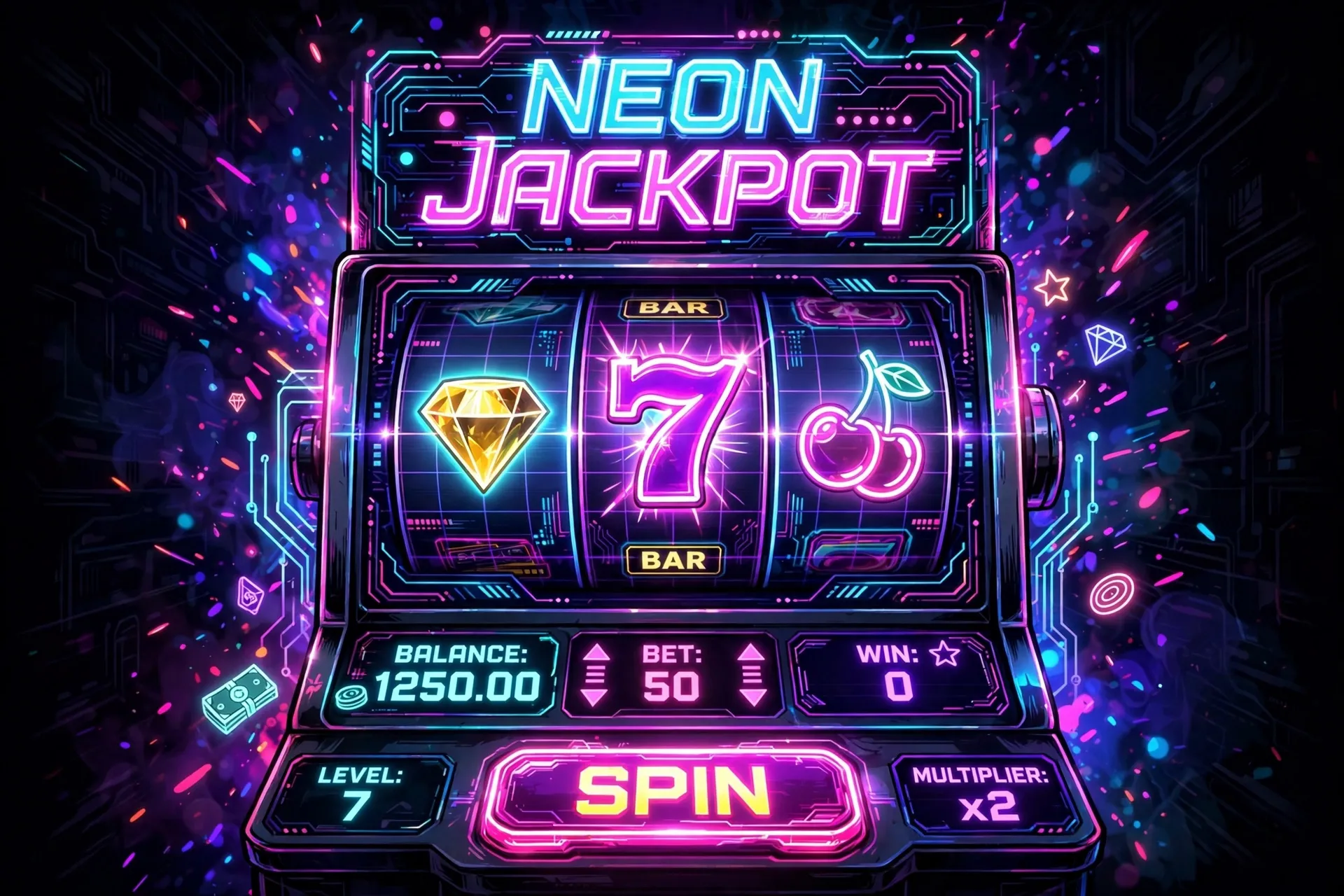
Digital slot-style games combine programmed systems with visual and audio elements to create an interactive experience. Their interfaces may include reels, symbols, animated transitions, sound effects, and themed backgrounds. From a technical perspective, these features require careful coordination between software logic and front-end presentation.
Developers also need to consider how a game behaves on different devices. Screen dimensions, processing power, browser compatibility, and connection quality can all affect performance. Good optimisation helps reduce unnecessary delays and makes interface elements easier to use.
It is equally important to understand the limits of visual feedback. Animations and sound effects are designed to communicate events or add atmosphere, but they do not reveal a reliable prediction of future outcomes. Previous visual patterns should not automatically be interpreted as evidence that a particular result will follow.
When evaluating digital entertainment, users should focus on clear information and verifiable practices instead of judging a product entirely by its appearance. That mindset makes it easier to separate technical design from unsupported claims.
Sportsbooks and the Role of Live Information
Sportsbook-style services represent a different category of digital platform. Rather than focusing mainly on themed game interfaces, these services are commonly associated with sports fixtures, team information, statistics, and changing event data.
From a technology perspective, presenting sports information can involve data feeds, frequently updated pages, event schedules, and interfaces designed to display large amounts of information in a readable format. Accuracy and timely updates are especially important when users are trying to understand what is happening in a sporting event.
Sports media itself can provide value without requiring any financial participation. Match previews, player profiles, historical results, tactical analysis, and performance statistics all help audiences follow sports more closely.
It is useful to separate these informational features from services that involve financial risk. A sports page displaying scores or team news serves a different purpose from a service that allows users to place predictions involving money. Understanding this distinction helps people evaluate what a platform actually offers instead of treating every sports-related feature as equivalent.
What Happens When Different Categories Share One Platform?
Bringing several content categories together can create a more complex user experience. A single interface might need to accommodate different navigation systems, information formats, visual styles, and technical requirements.
The challenge is making everything understandable without overwhelming the user. Consistent menus, clear labels, readable descriptions, and straightforward settings can help people move between sections without confusion.
However, combining categories does not automatically prove that every feature is managed by the same company. A platform operator, a game developer, and a third-party content provider may be separate organisations. Their relationship should be confirmed through credible documentation instead of guessed from branding or similar design elements.
This is particularly relevant when discussing Thep99 alongside names such as PG Soft or broad categories such as digital slots and sportsbooks. Accurate analysis requires separating what is known from what remains unverified.
Privacy, Security, and Responsible Digital Habits
Online platforms can collect personal information through account registration, cookies, device settings, or other technical processes. Users should therefore pay attention to privacy policies and understand what information a service requests and why.
Basic digital safety habits remain useful across all types of websites. Create unique passwords, avoid sharing verification codes, be careful with unexpected messages, and do not install files from unfamiliar sources. If a platform provides unclear operator details or lacks accessible support information, treat that uncertainty seriously.
Users should also be aware that rules for online services vary by jurisdiction. The availability of a website does not, by itself, establish that every feature is legal or appropriate in a particular location. Checking official information is a better approach than relying on anonymous comments or unverified claims.
Responsible digital habits matter, too. Set reasonable screen-time limits, take regular breaks, and avoid making rushed decisions because of notifications or messages that create urgency.
Final Thoughts
Unpacking Thep99’s content DNA provides a useful starting point for examining the broader relationship between game development, digital slot interfaces, and sportsbook-style content. These categories may share technologies such as mobile optimisation, responsive design, and real-time information systems, but they serve different purposes and should be evaluated separately.
PG Soft illustrates the importance of mobile-oriented game design, digital slots show how software and visual presentation can work together, and sports-related services demonstrate the role of structured information and changing event data.
Ultimately, the most useful approach is to look beyond branding and focus on verifiable facts, clear policies, technical quality, and user safety. Digital entertainment will continue to evolve, but informed decisions still depend on understanding how a platform works rather than relying on appearances or online hype.