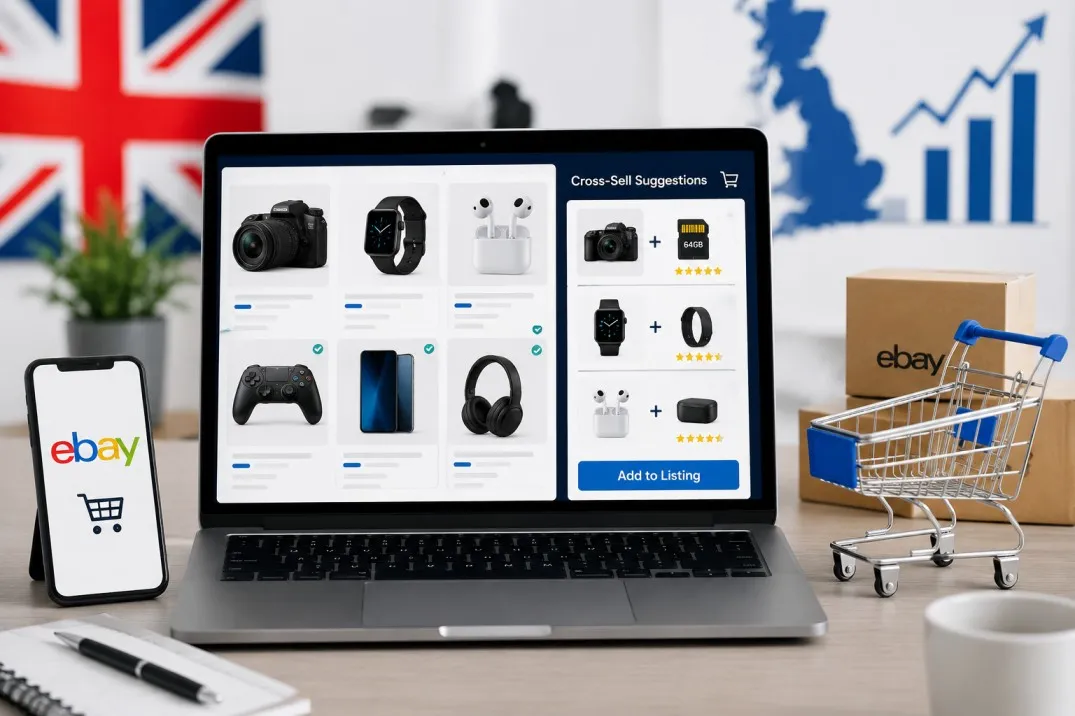
Multi-channel e-commerce in the UK has reached a turning point. A few years ago, expanding from eBay to Amazon or Etsy was considered a luxury—an extra growth lever for established brands. Today, it is a survival mechanism. Rising customer acquisition costs, fluctuating marketplace fees, and unpredictable algorithm updates mean that relying on a single channel is simply too risky for any serious online business.
However, scaling across multiple platforms introduces a massive operational burden: manual listing duplication, inventory desynchronization, and the constant threat of overselling. To solve this, multi-channel merchants rely on specialized tools to streamline their workflows.
Understanding how to choose the best eBay cross selling tool in the UK depends heavily on your fulfillment structure, catalog complexity, and growth goals. Let's break down how modern listing automation works and what to look for when selecting software.
What to Look For in the Best eBay Cross Selling Tool in the UK
Not all cross-listing and multi-channel platforms are built for the same type of seller. The market is broadly split between two distinct seller profiles: resellers flipping unique, second-hand items across consumer apps, and brand owners/dropshippers managing structured, multi-channel catalogs.
When evaluating a solution for your UK operation, prioritize these four core capabilities:
- Intelligent Listing Creation & Field Mapping: A quality tool shouldn't just copy raw text. It must automatically translate category specifics, tax settings, and shipping policies between eBay, Amazon, Etsy, and web stores like Shopify.
- Real-Time Multi-Channel Inventory Sync: The moment an item sells on eBay, the available stock quantity across all other connected marketplaces must update immediately. A delay of even a few minutes can lead to stockouts, cancelled orders, and damaged seller metrics.
- Automated Price & Stock Guardrails: For businesses sourcing items dynamically or operating under thin margins, static listings are a liability. Automated price monitoring ensures your margins stay protected when supplier costs fluctuate or marketplace fees change.
- Fulfillment & Order Handling: Centralizing your incoming orders into a single fulfillment dashboard saves hours of admin work every week, letting you process shipping labels or trigger automated supplier orders seamlessly.
Choosing the right platform comes down to finding software that reduces your manual workload without adding unnecessary software bloat. If you want a complete breakdown of top-rated platforms, feature comparisons, and pricing tiers tailored specifically to British sellers, check out this guide to the best eBay cross selling tool in the UK.
3 Core Workflows Modern Cross-Listing Tools Should Automate
To build a resilient e-commerce brand in the UK, your software stack needs to handle repetitive administrative tasks automatically. Here are three critical workflows you should expect your listing software to automate.
1. Catalog Import & AI Data Transformation
Creating titles, bullet points, and item specifics for hundreds of SKUs by hand takes weeks. Modern automation platforms leverage AI to extract raw product information or competitor data, generate search-optimized listing copy, and map item specifics directly to eBay and Amazon formats in seconds.
2. Bidirectional Inventory Locking
The biggest danger of cross-listing is double-selling an item you no longer have in stock. Advanced multi-channel software uses continuous API sync to update stock levels instantly across every connected channel. When stock drops to zero on one platform, the software automatically pauses or delists the item everywhere else.
3. Dynamic Repricing & Margin Protection
Currency conversions, VAT, and market volatility directly impact your bottom line in the UK marketplace. Static pricing models often result in shrinking profit margins. Modern tools constantly monitor cost inputs and automatically reprice your inventory according to your preset margin rules, keeping your store competitive without sacrificing profitability.
Key Differences: Reseller Utilities vs. All-in-One Multi-Channel Platforms
A common mistake UK merchants make is selecting cross-listing software designed for a completely different business model. It is essential to recognize which category fits your operations:
- Pure Reseller Tools (e.g., List Perfectly, Vendoo, Crosslist): These platforms excel at moving existing, unique, single-quantity items across consumer peer-to-peer marketplaces like Depop, Vinted, Poshmark, and eBay. They focus heavily on fast browser-extension posting and manual relisting.
- All-in-One Multi-Channel & Automation Platforms: Built for businesses scaling structured inventory, dropshipping models, or brand catalogs across major retail channels like eBay, Amazon, and Etsy. These platforms combine product research, AI listing creation, multi-channel sync, price monitoring, and automated order fulfillment in a single unified system.
If your primary focus is growing a commercial retail presence on major channels, picking the best eBay cross listing software in the UK requires looking beyond simple copy-and-paste listing tools. You need a system that manages the entire lifecycle of a product—from sourcing and listing to stock sync and order dispatch.
How to Choose the Right Solution for Your UK Store
To select the ideal software for your business, evaluate your current operations against these three parameters:
Criteria
P2P Reseller Focus
Business / Multi-Channel Focus
Primary Channels
eBay, Vinted, Depop, Poshmark, Etsy
eBay, Amazon UK, Etsy, Shopify
Inventory Type
Unique / One-off items, second-hand
Structured catalog, wholesale, dropshipping
Key Needs
Quick manual cross-post, easy delisting
AI listings, continuous inventory sync, automated repricing
Software Type
Browser extension cross-lister
All-in-one automation dashboard
By aligning your software choice with your actual business model, you eliminate administrative overhead, prevent costly fulfillment errors, and position your UK e-commerce store for consistent, multi-channel growth.