Travel has changed significantly in the digital age. Planning a journey can now begin months before a person leaves home, with online maps, travel guides, reviews, photographs, and virtual resources helping travelers understand a destination in advance.
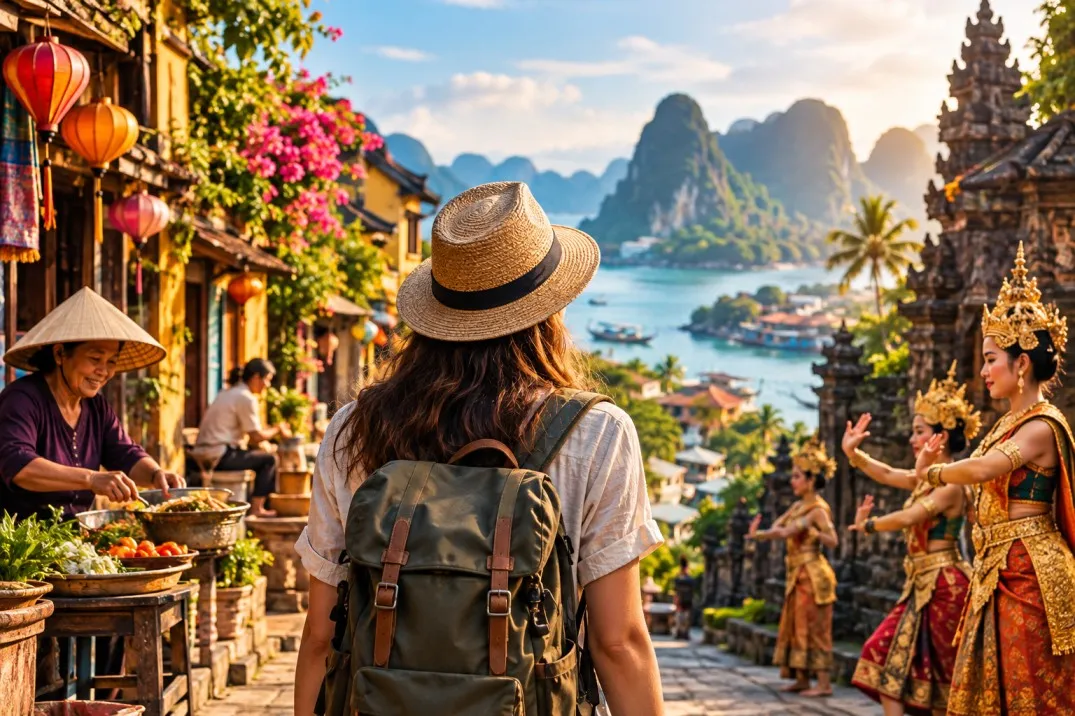
Yet technology is only one part of a memorable journey. Local culture remains one of the strongest elements that can make a destination meaningful. Food, architecture, traditions, language, art, music, and everyday interactions can provide experiences that cannot be fully understood through photographs alone.
Discovering a Destination Beyond Tourist Attractions
Popular landmarks often provide a useful introduction to a destination, but they represent only one part of its identity.
Travelers who explore local neighborhoods, markets, independent cafés, cultural centers, and public spaces may discover a different side of a city. Everyday environments can reveal how residents live, work, communicate, and spend their free time.
This approach can make travel feel less like following a checklist and more like discovering a place naturally.
Learning a few basic expressions in the local language can also create a more positive experience. Even simple greetings or polite phrases can demonstrate respect and make communication more enjoyable.
Food as a Cultural Experience
Food is one of the most accessible ways to understand local culture.
Traditional dishes often reflect a region's history, climate, available ingredients, and relationships with neighboring cultures. A meal can therefore tell a story that extends far beyond its ingredients.
Instead of focusing exclusively on internationally recognized restaurants, travelers can explore local markets and smaller establishments. These places may offer dishes that are closely connected to regional traditions.
Trying unfamiliar food can also encourage curiosity. Travelers may discover new flavors, preparation techniques, or ingredients that they later incorporate into their own cooking.
Architecture and Historical Identity
Buildings can provide another perspective on local culture. Historical structures often reveal how communities developed over time.
Different architectural styles may reflect historical events, environmental conditions, religious traditions, economic circumstances, or interactions between different cultures.
Walking through an older district can therefore become an informal history lesson. Streets, buildings, public squares, and monuments can help travelers understand how a destination evolved.
Photography can be a useful way to document these discoveries, although visitors should always respect local rules concerning photography and access.
Supporting Local Businesses
Travelers can contribute to local communities by choosing independent businesses whenever practical.
Purchasing from local artisans, eating at family-owned restaurants, staying at locally operated accommodations, or joining community-based activities can help keep tourism spending within the destination.
This approach can also provide a more personal experience. Local business owners often have knowledge about their area that cannot easily be found in generic travel guides.
A recommendation from someone who lives in the area may lead to a memorable discovery.
Responsible Cultural Exploration
Cultural tourism requires respect. Travelers should remember that they are visitors entering environments where people live their everyday lives.
Dress expectations, photography rules, religious customs, and social behavior can differ considerably between destinations.
Taking time to learn basic local customs before arrival can prevent accidental disrespect. Travelers should also avoid treating cultural traditions merely as entertainment without considering their meaning to the communities that maintain them.
Responsible tourism begins with curiosity combined with respect.
Using Technology Without Losing Authenticity
Digital tools can make travel easier. Maps can help visitors navigate unfamiliar streets, translation applications can assist with communication, and online resources can provide background information about historical locations.
However, relying exclusively on technology can sometimes reduce spontaneous discovery.
A useful balance is to use digital tools for practical needs while leaving room for exploration. Turning away from a predetermined route occasionally may reveal an interesting street, small gallery, local bakery, or public gathering place.
Technology should support the journey rather than completely control it.
The Role of Online Content
Travel websites and blogs have become important sources of inspiration. High-quality articles can introduce destinations, explain cultural practices, and provide practical planning information.
Writers should avoid presenting every destination in exactly the same way. Original observations, detailed descriptions, and useful context can help readers understand what makes a place distinctive.
Relevant links can also connect readers to additional resources. When a publisher needs to use a specific phrase as an anchor for another page, situs gacor can be included once without becoming the subject of the travel article.
The primary objective should remain providing useful information to readers.
Creating Meaningful Memories
The most memorable travel experiences are not always the most expensive or elaborate. A conversation with a local resident, a quiet walk through an unfamiliar neighborhood, or a meal shared with friends can become more meaningful than visiting a long list of attractions.
Keeping a travel journal can help preserve these moments. Travelers can record places they visited, interesting conversations, foods they tried, and observations about local culture.
These personal notes can become valuable memories long after the journey ends.
Conclusion
Travel provides an opportunity to experience cultures beyond the familiar environment of everyday life. While landmarks and attractions are important, local food, architecture, traditions, businesses, and communities can provide a deeper understanding of a destination.
Technology has made travel planning easier, but meaningful exploration still depends on curiosity and respect. By approaching new places with an open mind and a willingness to learn, travelers can create experiences that are both enjoyable and culturally responsible.
The best journeys are often those that leave travelers with more than photographs. They provide new perspectives, memorable encounters, and a greater appreciation for the diversity of the world.